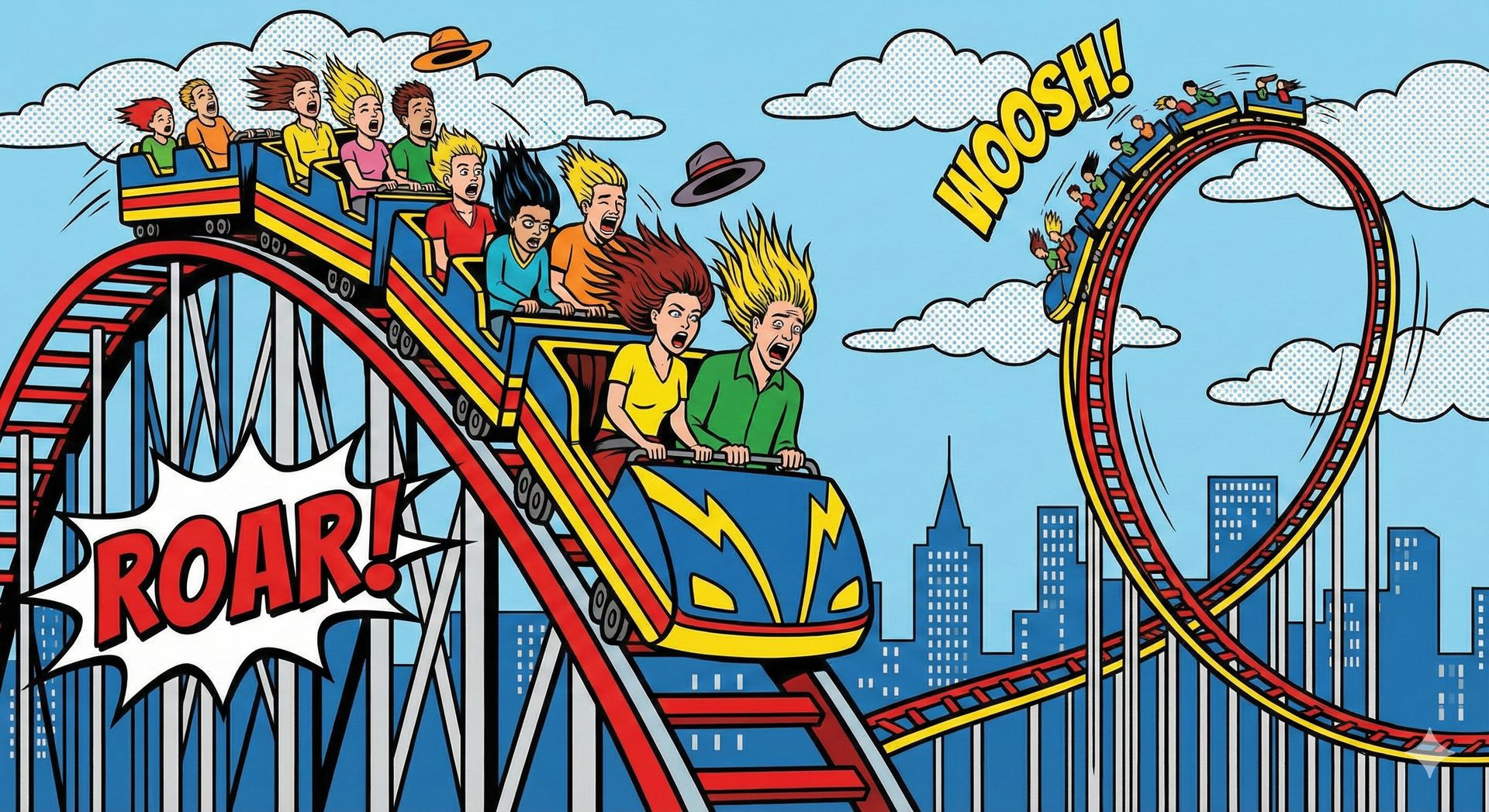

As we head into the final days of 2025, I’ve been taking stock of what’s shifted in how we work with AI, and I wanted to share some thoughts.
For two years, we’ve been using these systems as both thinking partners and functional helpers—they draft documents, analyze data, generate code, and create images. These two roles are almost indivisible—what I call “thoughts to outcomes fusion.”
But in reality, the functional scope has been limited. They produce outputs we then use. The action part—sending the email, booking the meeting, ordering the takeaway—has always been on us.
That’s starting to change. The systems emerging now can act in the real world (IRL) on your behalf—not just to create the draft, but send it too. Not just suggest meeting times, but negotiate and book them. Not just recommend a restaurant, but make the reservation. System-to-system, AIs are increasingly “talking” to each other, operating in actual workflows rather than just generating content.
Microsoft’s 2025 Work Trend Index reports that 60% of leaders expect AI to handle routine decisions independently within two years. Whether that percentage holds, I don’t know, but you can be sure it will all happen faster than we expect.
Brain Doubles + Agents
I call AI partnerships that support how you think Brain Doubles—generative systems that help you organize ideas, analyze information, and develop strategy. They allow you to think more clearly, work through complexity, and build your ideas. This cognitive partnership remains fundamental going forward, but we can now build on it.
What’s emerging alongside Brain Doubles are Agents—AI systems that act in the world. Sometimes on your behalf (booking restaurants, ordering takeaways, scheduling meetings). Sometimes on behalf of your customers (handling inquiries, qualifying leads). Sometimes handling specific organizational functions (onboarding new employees, coordinating across teams). You design them, train them, set their parameters. They execute.
Brain Doubles help you think and create. Agents help you act and coordinate.
The shift is system to system. Your AI agent talks to someone else’s AI agent. Or to a calendar system. Or to a booking platform. They negotiate based on parameters you’ve set, coordinate across live systems, handle the logistics.
Instead of email chains about meeting times, you tell your agent your constraints. Their agent knows their constraints. The systems work it out, confirm with both of you if needed, book it in your actual calendars. Done.
Same with dinner. You tell your agent you need a table for four on Friday, prefer Italian, somewhere quiet. It checks availability across platforms, books the one that fits, adds it to your calendar. You just show up.
Building Through Description
There’s a related development worth noting. People are starting to build functional software by describing what they want rather than writing code.
A colleague wanted a simple energy tracker—one tap to log how she felt, no complexity. She described this to Claude in plain language. Twenty minutes later, she had a working prototype. Not polished, but usable.
The barrier used to be technical skill. Now it’s conceptual clarity. If you can articulate what you need, you might be able to build it.
What This Means Going Forward
If these directions continue, the conversation shifts from “how do I work faster” to “what am I capable of doing that I couldn’t before.”
Brain Doubles that enhance how you think, plus Agents that act in the real world, plus software you can build through description—together, these change what’s possible.
They also shift what becomes valuable. If routine execution gets easier to delegate, what becomes scarce is vision, pattern recognition across domains, creative problem-solving, and good judgment.

We’re published!!
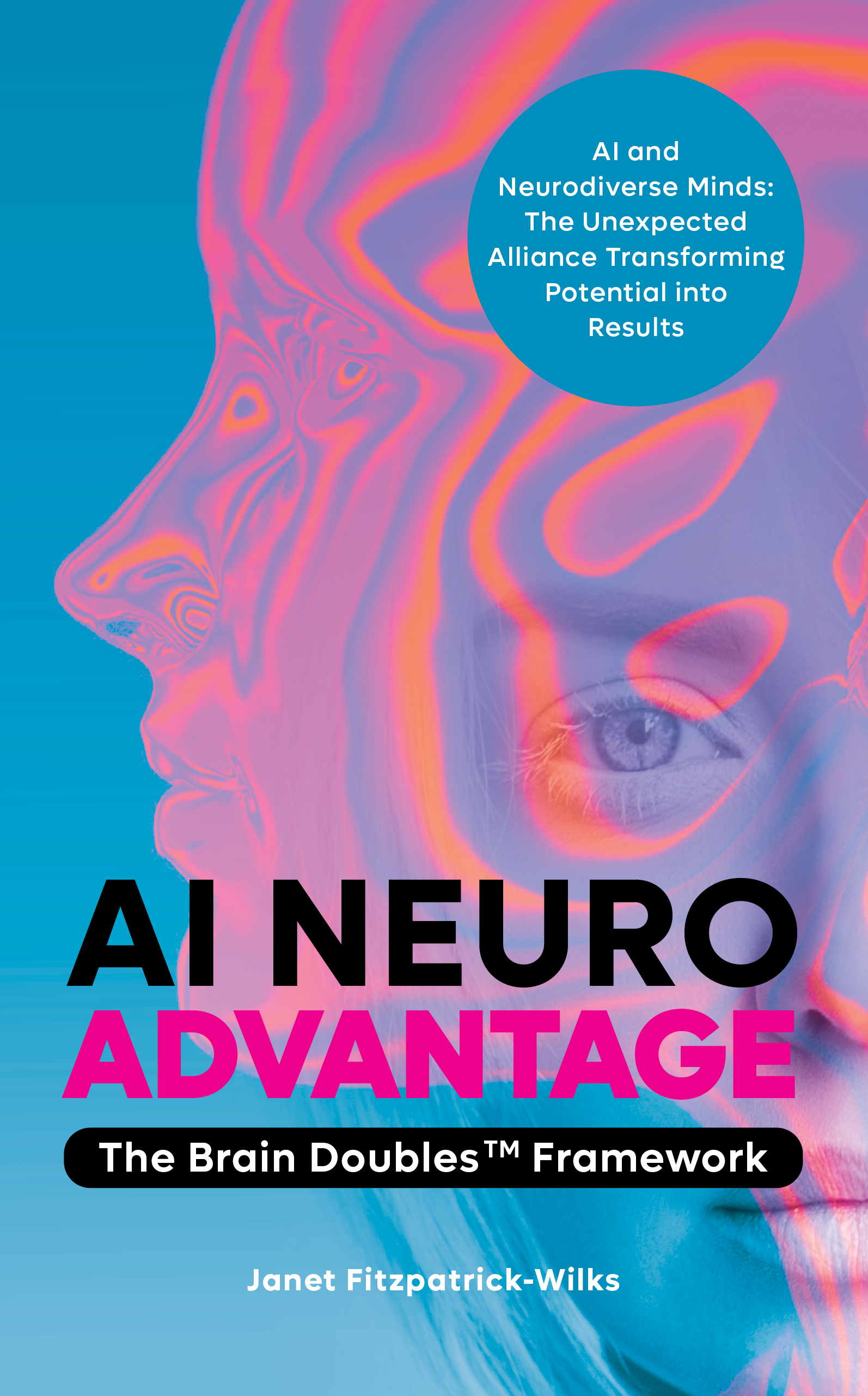
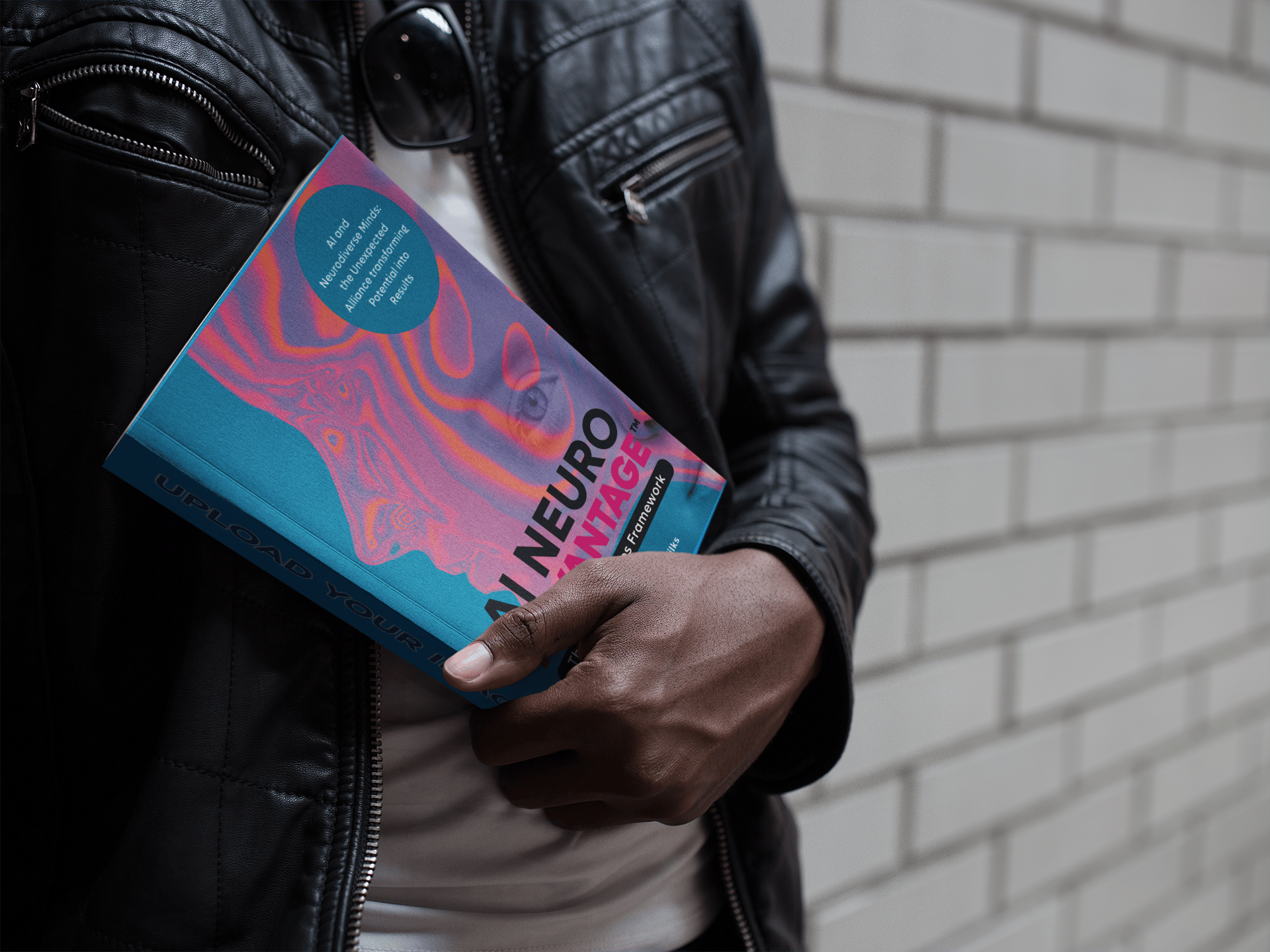
After a year of intensive focus and many ups and downs, I’m pleased to share that my book, AI Neuroadvantage: The Brain Doubles Framework, is now available on Amazon and other online bookstores.
This book explores how AI partnerships can transform cognitive diversity into competitive advantage—not through accommodation, but through genuine collaboration between human minds and intelligent systems.
Can’t lie; I’m proud of it.
If you find ideas about Brain Doubles and Agents interesting, the book goes much deeper into how these partnerships actually work, who they benefit most, and how organizations can implement them thoughtfully.
Wishing you a restful (or at least fun) holiday, and I can’t wait to see what 2026 has in store for us all.
Warmest wishes
Janet
While others fuss over prompts and emdashes, savvy professionals are learning new ways to leverage the powerful hybrid intelligence of human and artificial minds